
 0800 055 7230


When it comes to selecting materials for your bathroom or kitchen renovations, the choice of backer board plays a crucial role in ensuring durability, waterproofing, and ease of installation. Two popular tile backer board options are Wedi Board and Cement Backer Board. Each has its own set of advantages and disadvantages, making it essential to understand their features before making a decision.
Understanding wedi Board
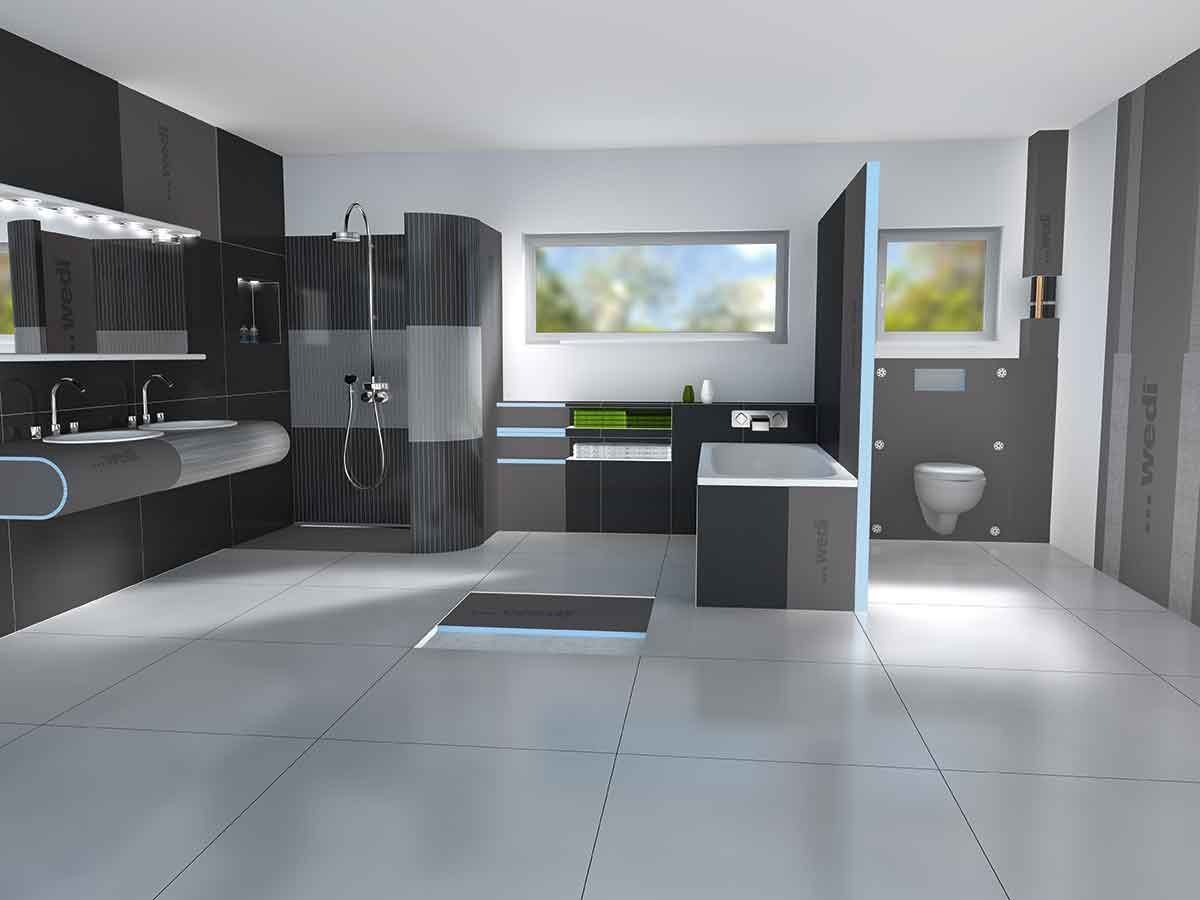
Wedi Board is a premium building panel composed of closed-cell extruded polystyrene foam coated with a polymer-modified cement layer and reinforced with embedded fibreglass mesh on both sides. Renowned for its exceptional waterproofing, this lightweight yet durable material serves as an ideal substrate for tile installations in moisture-prone areas like showers, bathrooms, and kitchens. Its ease of customisation, resistance to mould and mildew, and effortless handling make Wedi Board a preferred choice, ensuring longevity and reliability in construction and remodelling projects.
Benefits of using wedi Board
Using Wedi Board offers a range of significant benefits:
Unmatched Waterproofing: Its closed-cell foam core and cement coating create a completely waterproof barrier, ideal for wet areas like showers and bathrooms, preventing water damage and mould growth.
Versatility and Customisation: Wedi Board is easily customisable, allowing for intricate shapes and sizes, simplifying installations for unique designs or custom projects.
Lightweight and Easy Handling: Its lightweight nature makes it practically effortless to handle, reducing labour and installation time, perfect for DIY projects or professional installations.
Durability and Longevity: Resistant to mould, mildew, and moisture, Wedi Board ensures a long lifespan, maintaining the integrity of tile installations over time.
Healthier Environments: By preventing mould and mildew growth, Wedi Board fosters healthier indoor environments, especially in moisture-sensitive areas like bathrooms.
Ease of Installation: Its simplicity in cutting and shaping, alongside compatibility with various adhesives, simplifies the installation process, minimising complexities for installers.
Cons of using wedi Board
While Wedi Board offers numerous advantages, it’s important to consider its limitations:
Cost: Compared to some traditional building materials, Wedi Board can be more expensive, potentially impacting project budgets.
Availability: Depending on location, Wedi Board might not be as readily available as other backer board options, leading to potential procurement challenges.
Specific Use Cases: While highly versatile, Wedi Board might not be the best fit for all projects, especially those where budget constraints are a significant concern and where other, more cost-effective options suffice.
Learning Curve: Contractors or DIY enthusiasts unfamiliar with working with Wedi Board might experience a learning curve in handling and installing this material, potentially leading to inefficiencies during initial use.
Compatibility: While it works well with many adhesives and thin-set mortars, compatibility issues may arise with certain products, necessitating specific considerations during installation.
Understanding Cement Backer Board
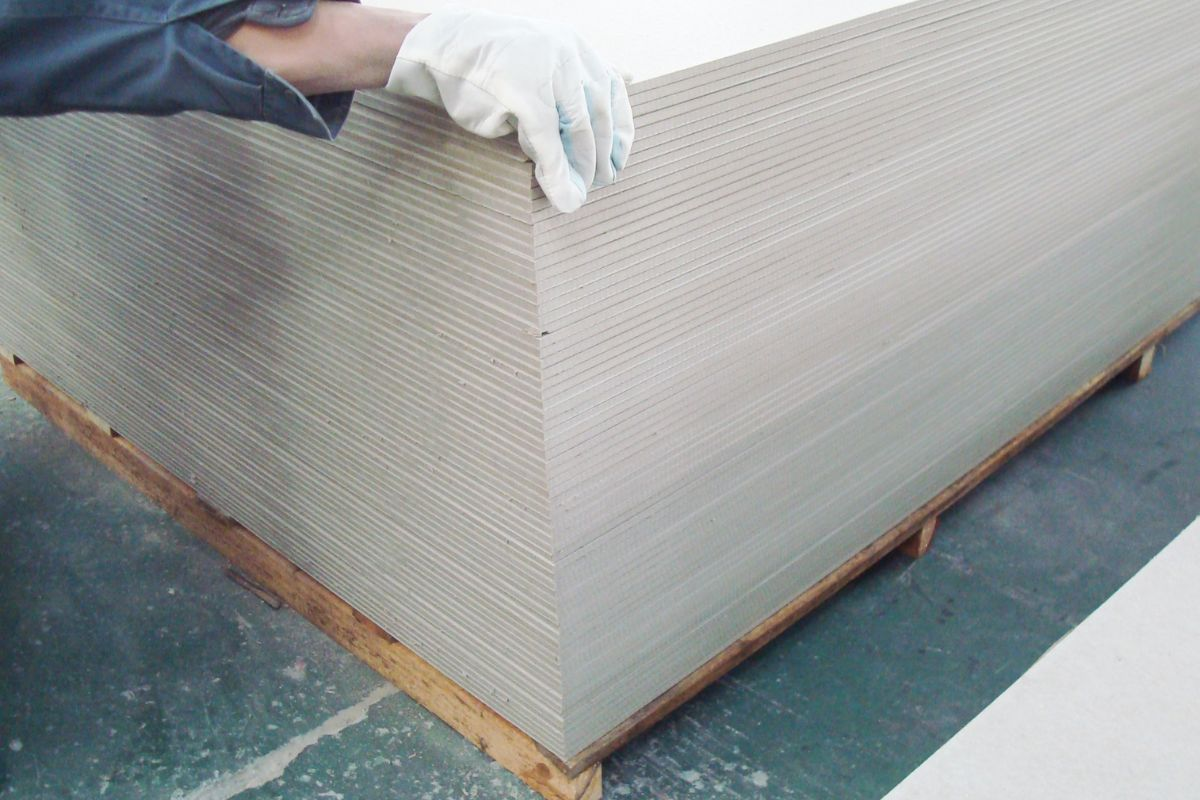
A cement tile backer board is a construction material used as a substrate for tile installations, particularly in moisture-prone areas like bathrooms and kitchens. Composed of aggregated Portland cement and reinforced with fibreglass mesh on both sides, it offers a sturdy and stable surface for tiling. This durable board provides some water resistance, although it requires sealing to prevent water penetration fully. While heavier and more challenging to handle compared to other materials, cement backer board is widely available in various sizes and thicknesses, making it a common choice for tile installations in both residential and commercial settings.
Benefits of Cement Backer Board
Cement backer board offers several advantages:
Durability: Its cement and fibreglass mesh composition provides a sturdy substrate that withstands moisture, ensuring longevity in wet areas like bathrooms and kitchens floors.
Stability for Tiles: The cement backer board creates a stable surface for tile installations, preventing flexing or movement that could lead to cracked tiles.
Fire Resistance: Compared to some other materials, a cement backer board offers better fire resistance, making it a safer option in certain building applications.
Availability and Cost: Widely available in various sizes and thicknesses, cement backer board tends to be more cost-effective than some alternative substrates, fitting well within project budgets.
Versatility: It’s suitable for a range of tiling projects, offering adaptability for both DIY enthusiasts and professional contractors.
Cons of Cement Backer Board
While Cement Backer Boards offer advantages, it’s important to consider its limitations:
Weight and Handling: The cement backer board is notably heavier than alternative materials, making it more challenging to handle and requiring extra effort during installation.
Waterproofing Requires Sealing: While it offers water resistance, the cement backer board isn’t inherently waterproof and needs sealing to prevent water penetration fully. This additional step can increase installation complexity and cost.
Difficulty in Cutting: Cutting cement backer board can be challenging, requiring specialised tools and potentially leading to jagged edges or dust that might be harmful if proper precautions aren’t taken.
Limited Flexibility: Its rigid nature limits flexibility, making it less suitable for complex or customised installations that demand a more adaptable material.
Potential for Mold Growth: If not properly sealed and maintained, moisture can penetrate the cement backer board, leading to potential mould or mildew growth in humid environments. Regular maintenance is crucial to prevent this.
Why wedi Board is the best option
Choosing Wedi Board over Cement Backer Board offers unparalleled advantages for projects, primarily due to its exceptional waterproofing and versatility. Wedi Board’s closed-cell foam core and polymer-modified cement coating create an impenetrable shield against water, safeguarding installations in wet areas like bathrooms and showers. Its effortless customisation capabilities allow easy cutting and shaping, catering to unique designs and intricate installations, reducing labour and time. Unlike the Cement Backer Board, Wedi Board’s lightweight nature simplifies handling, making it ideal for DIY projects and professionals seeking ease during installation. While Cement Backer Board offers stability and fire resistance, Wedi Board’s superiority lies in its resistance to mould, mildew, and water damage, ensuring a longer installation lifespan. Ultimately, Wedi Board’s unmatched waterproofing, easy customisation, lightweight handling, and resistance to moisture-related issues position it as the optimal choice for durability, longevity, and hassle-free installations in moisture-prone environments.
Buy wedi Board from Waterproof Tile Boards
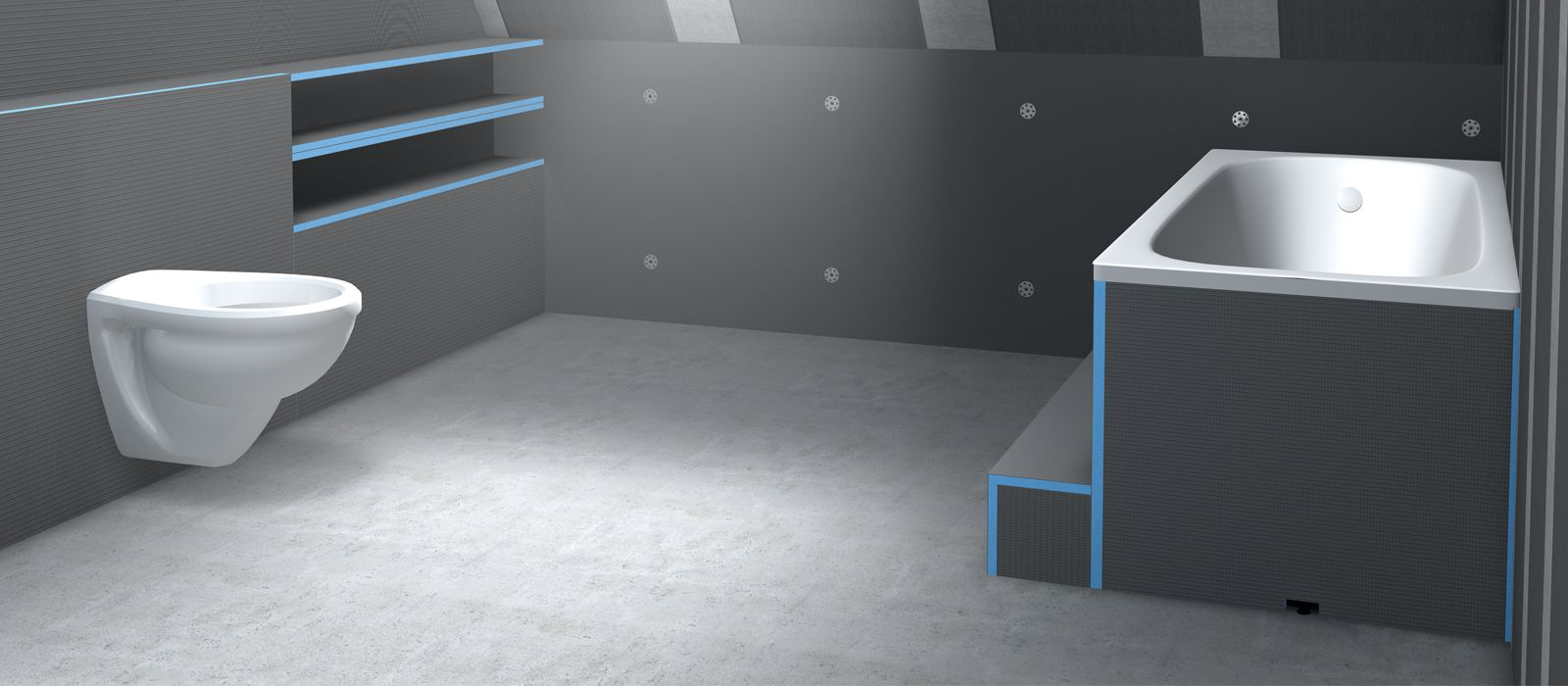
Waterproof Tile Boards provides a seamless buying experience for Wedi Board, offering a user-friendly platform where customers can effortlessly browse through a diverse array of Wedi Board options. By accessing the Waterproof Tile Boards website, customers can explore a comprehensive range of Wedi Board products, varying in sizes, thicknesses, and accessory choices. The intuitive interface simplifies the selection process, allowing users to view detailed product descriptions, specifications, and clear visuals to make informed decisions. With a few clicks, customers can add their chosen Wedi Board products to their cart and proceed to secure checkout. Waterproof tile Boards ensures a smooth transaction process, including secure payment options and efficient shipping services, guaranteeing timely delivery of high-quality Wedi Board products directly to customers’ locations. This streamlined approach makes purchasing Wedi Board from Waterproof tile Boards convenient, reliable, and tailored to the specific needs of builders, contractors, and DIY enthusiasts.


